

Uffington’s greatest lady
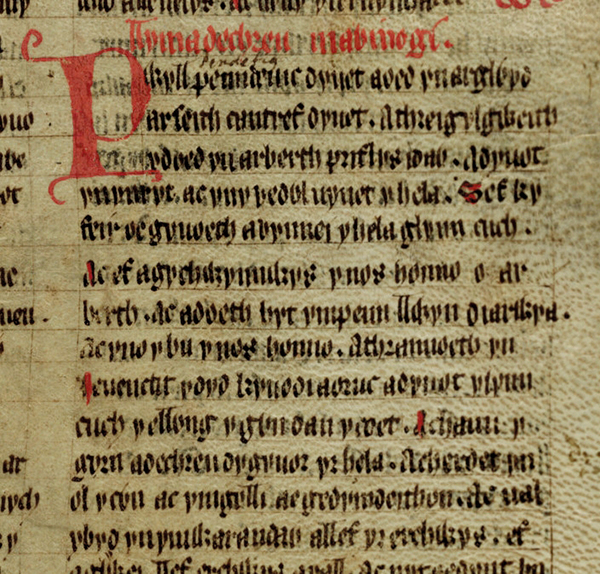
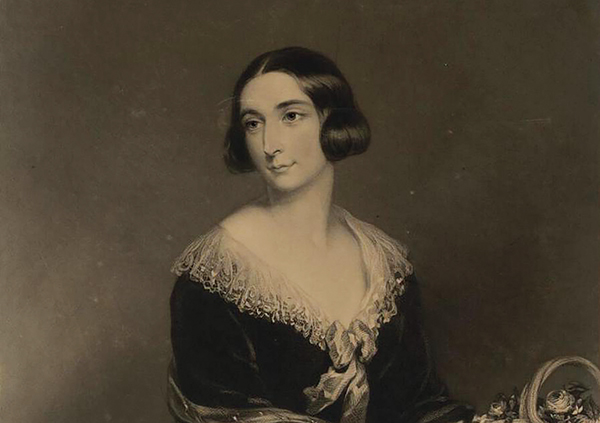
Dene Bebbington explores the life and times of Lady Charlotte Guest, a Lincolnshire-born aristocrat who is best known as the first publisher in modern print format of The Mabinogion.
In classic Welsh literature, The Mabinogion, a collection of mythical tales, dates back about a thousand years. These stories of ancient people and magic have a surprising link to Lincolnshire on the other side of Britain.
In the village of Uffington, near Stamford, Charlotte Layard, wife of the 9th Earl of Lindsey, Albermarle Bertie, gave birth to a baby girl in May 1812.
Also named Charlotte after her mother, the child grew up to enjoy literature, the large gardens and riding horseback. But she had a somewhat lonely life on the Uffington Estate, and she wrote a diary entry bemoaning her situation: “I went to the play and sought a cure for the heartache.”
Aristocratic men had freedom to engage in a wide range of pursuits, and misbehave if they wanted to. In contrast, women were mostly limited to a narrowly defined and refined life as wife and mother, along with a few genteel interests like music.
Charlotte wanted more and aspired to a fuller existence. Expressing frustration with the suffocating upper class rituals she had to conform to, her diary includes a complaint about “the parade, the driving about, visiting, the stupid evenings, the continual ennui.”
She didn’t know at the time that opportunities to be involved with literature and industry would come her way.
As a teenager she took an interest in politics and became a supporter of the Whig party. Holding liberal views, she favoured the 1832 Reform Act which gave more men a vote and was an important step on the way to universal suffrage.
Besides keeping up with politics in newspapers, she also read books. At one point these inanimate friends were so crucial to her inner life that she noted, “I have affection for certain books and certain copies stronger than any human beings”, and through books Charlotte was exposed to various languages.
Married life
For a young woman of her position in society she expected to be paired up with a man of the family’s choosing. The thought horrified her so much that a journal entry states she was already “dreading deeply the future.”
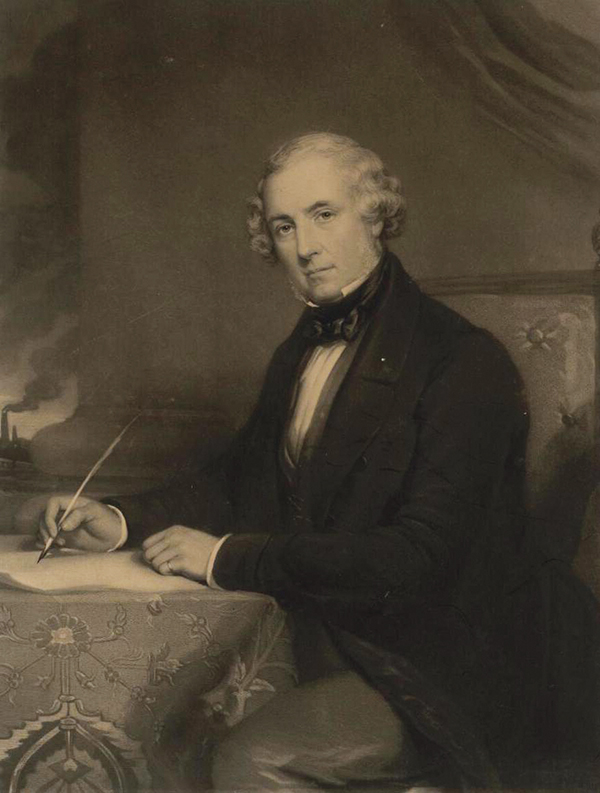
At the age of 21, fate favourably intervened when she met widowed 48-year-old John Josiah Guest, MP for Merthyr Tydfil in South Wales, at a London dinner party and following a short courtship the couple married.
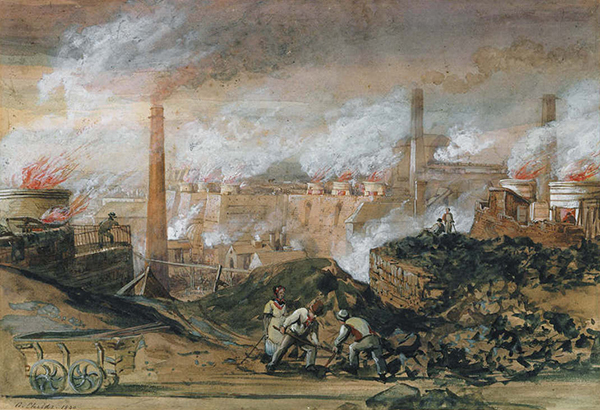
She disliked her stepfather, Peter Pegus, who might have inhibited the romance, but he approved for selfish reasons thanks to John’s wealth accrued from his family’s Dowlais Ironworks.
Though many aristocrats disdained trade, Charlotte tried to overcome that prejudice but wasn’t always successful if she met someone too unpleasant.
Despite the culture shock of entering an alien industrial world in another country, she adjusted well and was happy in that new life.
Meanwhile, she developed an interest in medieval literature and, already knowledgeable in seven languages, she learned Welsh and made connections with a few of the country’s literary scholars. Even so, she would have been considered an unlikely person to translate classic Welsh tales into English.
The title The Mabinogion is thought to stem from a scribe’s error, leading Charlotte to believe it was plural for the word ‘mabinogi’, which appears just once in the source material. History has forgiven this mistake, since the book continues to be published under that title.
Able to pursue her intellectual interests more fully, Charlotte fitted the onerous translation work in between the rigours of pregnancy while she bore 10 children. She would take books to work on the translation during trips to London and Europe. During one journey to the capital, it’s reputed that books weighed the carriage down so much that one of its springs broke!
Literary skills
Seven volumes comprising the translated Welsh legends were published between 1838 and 1845, a period in which five of Charlotte’s children were born. This was a major achievement for a woman, especially one not recognised as an expert on Welsh literature.
Maybe that’s why French philologist Théodore Villemarqué published her French version of three parts of The Mabinogion without crediting the source. Charlotte’s thoughts on his plagiarism was understandably sharp: “Altogether it is a most shabby proceeding, but the man is too contemptible to be noticed.”
Besides literary aspirations, another project exercising Charlotte’s mind was to build up “such a fortune for the babies as to make them very well off hereafter.”
Determined to learn about the Guest family’s ironworks, she had plenty of opportunity to help in the running of Dowlais when her husband suffered ill health and withdrew from its management. She then became sole trustee of the works, which had started making a loss a couple of years earlier, when he died in 1852.
Coping with grief and managing an ironworks didn’t break her, though she did move into a different bedroom from where John’s grave could be seen and noted, “And now all the poetry – all the happiness of my life is gone – The Work begins…”
When widowed, women were expected to adhere to onerous Victorian mourning rituals by wearing black clothes for several years, yet happiness would eventually light up her life again.
Second chances
After her husband’s death she sought a tutor for Ivor, her teenage son, a call answered by Cambridge scholar Charles Schreiber.
Charlotte’s first impressions of the man 14 years her junior were positive as she wrote, “he seems altogether to be a desirable man for the office”.
Events saw his desirability turn into more than just as a tutor. She snatched moments alone with him and, tellingly, he spent Christmas 1853 with the family at their Canford Manor in Dorset, and they married in 1855.
Since her sons were due their father’s inheritance on coming of age, and Schreiber wasn’t a man of substantial means, Charlotte’s second marriage would be less affluent.
Unfortunately, attempts to start a new family failed since age disfavoured Charlotte who, now in her mid-40s, had two miscarriages.
While her time married to John centred on bearing children, literature and managing the Dowlais Ironworks, she now started to develop an interest in china objects.
With Charles she travelled around Europe collecting china, and regardless of her previously wealthy life they were only prepared to pay a certain amount for items or walk away from a purchase – a tactic which brought the price down from some sellers.
Tragedy struck again when Charles died a year before their 30th wedding anniversary.
Having lost two husbands, plus her son Augustus, Charlotte had much to grieve for yet retained the mental wherewithal to devote herself to other projects, first by cataloguing the Schreiber collection of ceramics.
Before her death at the age of 82 she collected various antiques, did needlework and engaged in charitable activities all while her sight was failing.
This Lincolnshire lady left a literary legacy and achieved much for a woman of her era within the restrictions of society and aristocratic life.
As a child, the gardens of Uffington House had been a place of escape, but she took to the clamour of a Welsh ironworks and its business pressures remarkably well, and to an extent actually liked the noise.
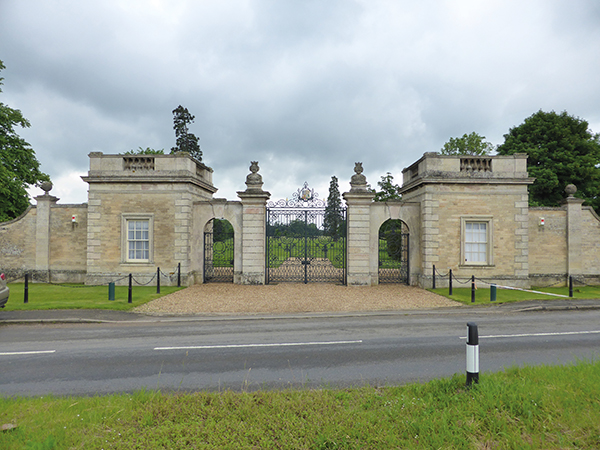
Her childhood home of Uffington House burnt down in 1904, leaving a few outbuildings and walls as a reminder of what once was.
Main photograph: National Library of Wales, Public domain
We Recommend





Never miss a copy!
Big savings when you take out a subscription.
Problem displaying Facebook posts. Backup cache in use.
Click to show error