

The aviary of England
Colin Smale explores the history and changing landscape of birdlife in Lincolnshire.
Once proudly known as ‘The Aviary of England’, Lincolnshire held a reputation that today has all but faded from popular memory.
The title was not poetic exaggeration. It reflected a county whose vast skies, reedy wetlands, open heaths and meandering coastlines supported an astonishing abundance and diversity of birdlife, unmatched elsewhere in the country.
Large-scale drainage of the Lincolnshire Fens began in earnest in the mid-17th century, particularly during the 1630s and 1640s, vastly transforming one of Europe’s greatest wetlands.
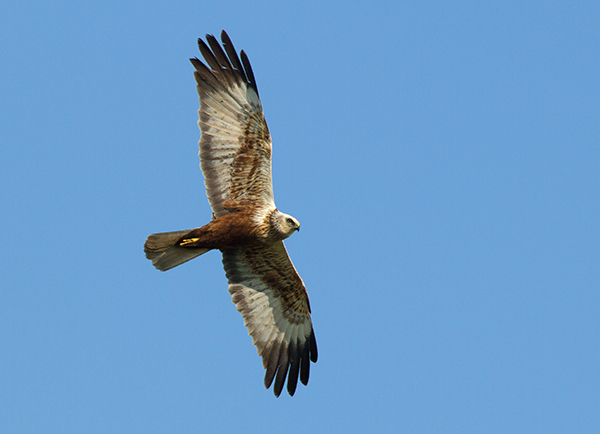
Before large-scale drainage, Lincolnshire’s fens formed one of Europe’s greatest wetland systems. Reedbeds, meres and flooded meadows echoed with the calls of bitterns, cranes and marsh harriers, while vast flocks of ducks, geese and waders darkened the winter skies. Along The Wash and the North Sea coast, migratory birds arrived in their millions, using the county as both refuge and crossroads. Inland, the open farmland and heath supported skylarks, lapwings and corn buntings in numbers now hard to imagine.
Early naturalists recognised this richness. Nineteenth-century writings frequently refer to Lincolnshire as a stronghold for breeding and wintering birds, and visiting sportsmen and scholars alike remarked on its “avian plenty”.
The county was, quite literally, alive with wings.
Important county
Much has changed. Drainage, agricultural intensification and habitat loss have inevitably reduced both numbers and variety, and with them the old title slipped quietly into obscurity. Yet the story is far from one of simple decline. Lincolnshire remains one of Britain’s most important counties for birds. Gibraltar Point, The Wash, the Humber estuary and restored fenlands continue to draw rare migrants, wintering flocks and returning breeders.
To remember Lincolnshire as The Aviary of England is not merely an exercise in nostalgia. It is a reminder of what this landscape once sustained – and of what, with care and vision, it may yet sustain again.
Beneath the same wide skies, the county’s avian legacy still endures, waiting to be noticed.
We Recommend



Never miss a copy!
Big savings when you take out a subscription.
Problem displaying Facebook posts. Backup cache in use.
Click to show error