

Walking the line
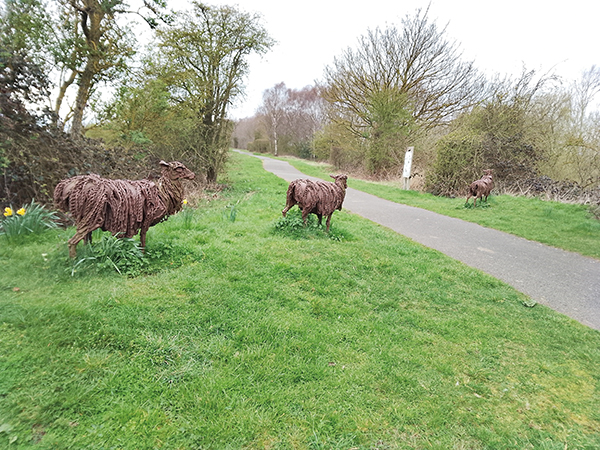
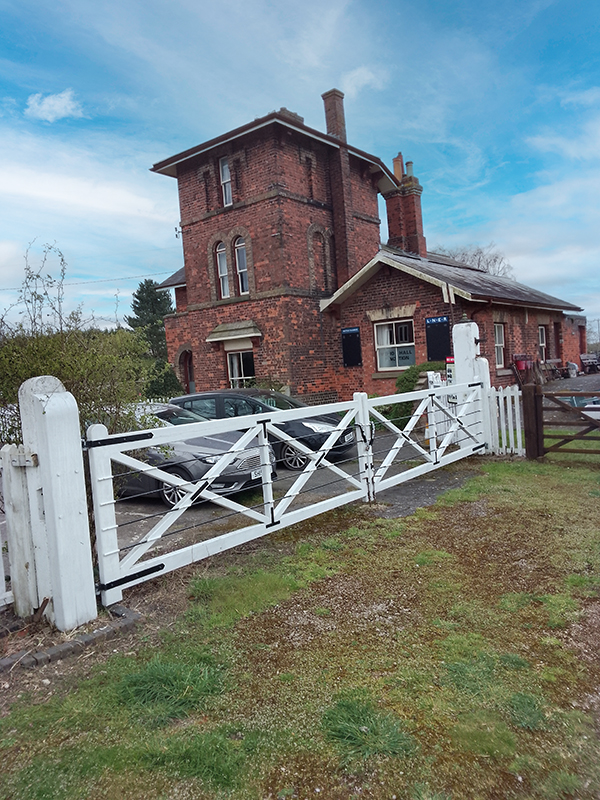
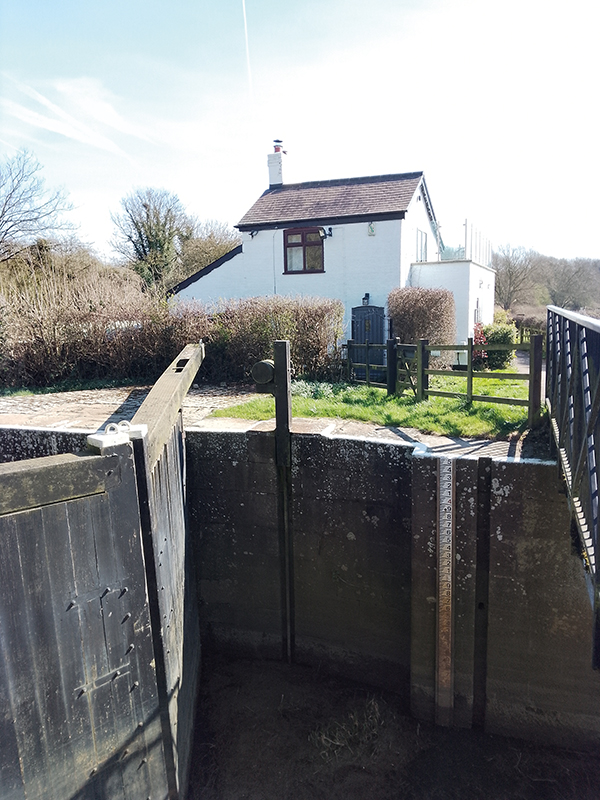
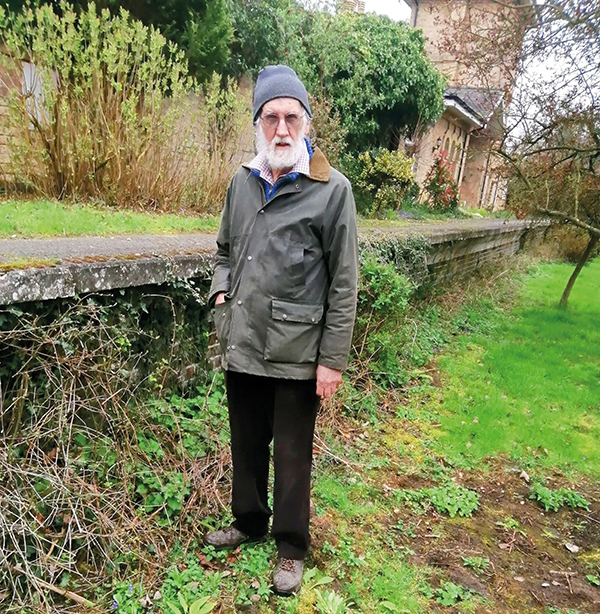
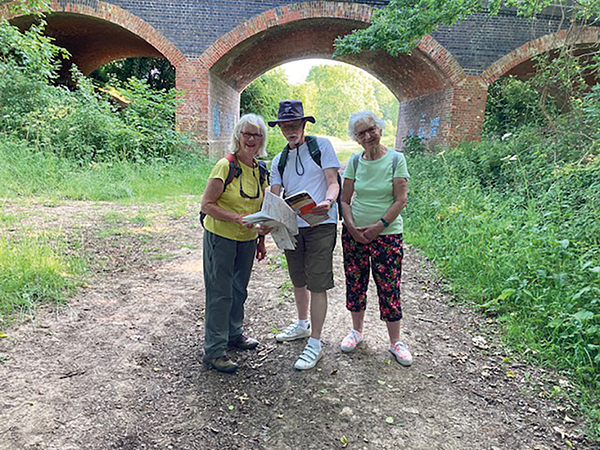
Kate Chapman meets the local Railway Ramblers group, which organises walks and encourages interest in the county’s disused railway lines.
A club, which brings together like-minded people to explore and encourage the preservation of abandoned railway lines, is keen for more people across the eastern region to join its ranks.
The Railway Ramblers group was officially launched in 1978 by retired roofing estimator Nigel Willis, who lives in Boston, after he began walking disused railway lines. He appealed to see if anyone else was interested in joining him and was surprised when the numbers quickly snowballed.
Now almost five decades on, Nigel estimates that the Railway Ramblers have between 600 and 700 members nationally.
As well as enjoying idyllic walks through the countryside and making new friends, the group has played a pivotal role in increasing the number of official rail trails in the UK, after raising money to help buy two disused lines, which have been gifted to Sustrans – the charity behind the National Cycle Network – or other charities to convert into new trails.
Official trails in Lincolnshire now cover around 45 miles, while in England there are approximately 2,000 miles of walkable routes, with another 1,000 miles spread across Scotland and Wales.
“I’d always been interested in the railways since I was a child, but that was abandoned when I got married,” explains Nigel, who lived in Leicestershire when he first started walking disused lines.
“I went back to it afterwards, in around 1974, and found a lot of them had closed. I walked a line between Leicester and Rugby, near my home at the time, and as I walked more disused lines I wondered if there were others who would be interested in doing the same.
“I put an advert in Railway magazine and received around a dozen replies, so we arranged to meet up at King’s Cross, in London, and that was our first AGM.
“Things just snowballed from there – twelve members quickly went up to 50 and that’s when we started to make a job of it.”
Preserving routes
Nigel says there was an influx of new members after the group appeared on a BBC TV programme, which he applied to after it appealed for people to get in touch to discuss their hobbies.
The club has split into 12 regional sub-groups, with each area managing its own programme of walks, which are usually announced around three months in advance.
Nigel says members are free to join walks in other areas of the country, if they’re on holiday for example, or have a desire to explore a different part of the countryside.
“I used to walk every week, but I’m 85 now, so don’t get out so often,” says Nigel.
“It was a shared interest I had with my wife Libby, as she would come as well, before she passed away.
“I’ve walked all over the country, about 1,600 miles – you name it, I’ve done it! I’ve walked the Princetown line, eight miles across Dartmoor, and done a lot of walking in Aberdeenshire, Scotland, Wales and Barmouth – these are all official paths now.”
Over the years, as well as bringing like-minded people together to explore abandoned routes, the Railway Ramblers have worked to encourage the preservation of old railway lines as footpaths and cycleways.
A report in 1963 by Dr Richard Beeching initiated mass closures of Britain’s railways, which removed around a quarter of the network and around 4,500 route miles, many of which are now official trails.
Nigel says the Railway Ramblers have supported Sustrans in its work, by convincing various councils and authorities it was a good idea to create more trails, and has helped fundraise to do so. More recently members have become involved with the restoration of viaducts, bridges and tunnels too.
New members welcome
Nigel says the group is always open to new members and would particularly like to see more people join its eastern region branch, which currently has a membership of around 40.
He adds that there are routes for all ages and abilities to enjoy and cites the Lincoln to Boston trail – called the Water Rail Way, which originally stretched 30-miles – among his favourites. It has now been split into two trails with Lincoln to Woodhall Spa, covering 23 miles, and the remaining five miles between Langrick and Boston.
“There’s a short gap in the middle, but it follows the River Witham all the way and is a lovely walk, featuring one or two stations which have survived. There’s also a very long bridge, which is quite unusual,” adds Nigel, who was made the club’s honorary president during its 40th anniversary celebrations.
“There are spectacular views of Boston Stump at the Boston end too, that’s a nice five miles and there’s always lots of wildlife about because there’s no traffic on our trails.”
Other, shorter, county walks which Nigel highlights include a nine-mile stretch between Skellingthorpe and High Marnham, Epworth to Belton, Torksey to Cottam and a six-mile trail from Horncastle to Woodhall Spa, which includes a metal sculpture of a Viking ship, next to the only bridge over the path.
“It’s a lovely social thing to be part of. It’s a great chance to meet new, like-minded people – a lot of friends say that’s what they enjoy the most, the new friendships they’ve made. We welcome male and female members and children can come too.
“It’s also a great way to keep fit – walking is one of the best forms of exercise. I’ve been involved for almost 50 years and get a lot of pleasure from it.
“People just need to have an interest in walking, it’s nice if they have an interest in railways as well, but they don’t have to, as there are some lovely walks to enjoy and some nice relics – things like viaducts, stations and bridges to enjoy, as well as the wildlife, flora and fauna.”
Railway Ramblers hold an AGM for all members, which takes place at a different venue around the country each year, with this year’s being in Edinburgh.
To find out more about the Railway Ramblers or to get involved visit www.railwayramblers.org.uk
Photographs: courtesy of Nigel Willis
We Recommend



Never miss a copy!
Big savings when you take out a subscription.
The perfect gift for Christmas!Lincolnshire Life is packed each month with features on culture, history, local business and events, as well as spotlighting homes and gardens, fashion and ideas for how to make the most of life in Lincolnshire. Purchase a subscription at www.lincolnshirelife.co.uk/product-category/subscriptions today for £36 (or £18 for 6 months). Our magazine also makes a perfect gift, with a special card sent for you to pass on to the recipient with your own personal message. Subscriptions are priced from £36. You can order online at www.lincolnshirelife.co.uk/product-category/subscriptions or call 01522 689671.