

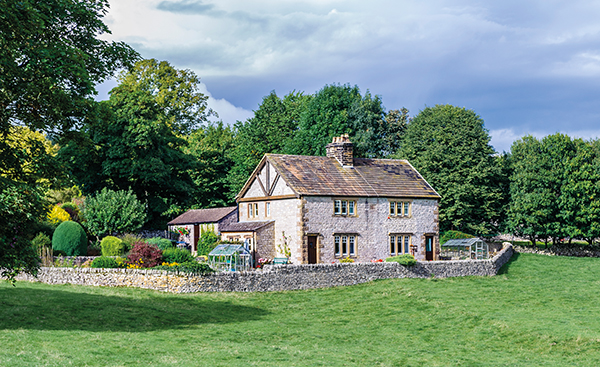
Beyond the chocolate box
Matt Limb OBE looks at the challenges of living the rural village dream and why many choose to return to the comfort of their former city life.
For generations the countryside has been imagined as a place of peace, beauty and escape, a rural dream shaped and projected by painters, poets and the popular imagination. For many leaving towns and cities, it still holds the promise of quieter lanes, stronger communities and a slower, safer way of life.
But how often do we pause to ask whether that vision tells the whole story?
Is the countryside the idyllic refuge we imagine, or something far more demanding, more complex and more deeply rooted in the realities of convenience, work and community? This may explain why some who arrive in search of the rural dream do not remain, in time drifting back towards the pace and amenities of urban life.
Why is that? Perhaps because country living is not town life moved to a green and rural surrounding. It comes with expectations and its own demands, many of which can come as a surprise to those without the experience of it.
Some come seeking peace and find isolation. Others come in search of simplicity but discover complexity. The difference may lie less in the countryside than in the expectations brought to it.
Rural challenges
For beneath the postcard views and the chocolate-box image of the countryside lies a living, thriving and busy working landscape. One rich in beauty, certainly, but often poor in services. And many of its challenges are not dramatic at all, but simple practical everyday concerns.
Transport is one. In the countryside getting about can depend almost entirely on the car. Distances can be considerable, rural bus services infrequent, or totally absent. For those who no longer drive, the consequences can be profound and what appears peaceful can quickly feel very isolated.
A trip to the shops may mean miles, not minutes. A hospital appointment can become a full day’s undertaking. This simple convenience of urban life, often barely noticed when it is there, can be deeply missed when it is not.
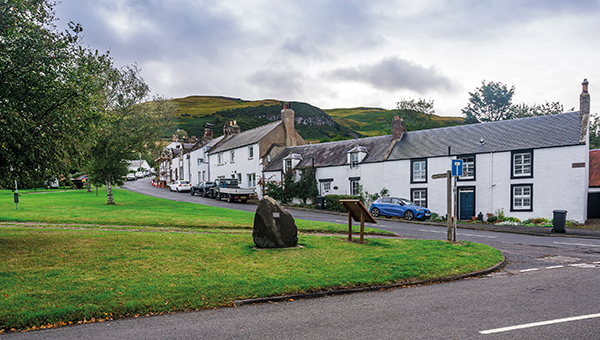
That sense of distance has only been sharpened by the gradual loss of village services once taken for granted. The village shop where a loaf or pint of milk could be fetched, the post office where news was exchanged as much as letters posted, even the village pub where advice, company and quiet help might often be found, have in many places diminished or disappeared.
Their loss affects matters not only practical, but social. Digital connectivity, too, can challenge expectations. For many the rural dream often includes remote working and escape from urban commuting, yet poor broadband and unreliable mobile signals remain problems in many areas. Even the familiar red village telephone box, once a quiet lifeline in emergencies, has all but vanished from local communities.
At a time when so much of life assumes seamless connection, the countryside can still expose the fragility of our modern dependence on digital technology.
Healthcare can present similar realities. Surgeries, hospitals and pharmacies can lie many miles away.
Routine appointments can involve long journeys and considerable planning. For older residents, or those unused to such distances, this can be a significant adjustment. The once familiar figure of the village doctor, so often remembered making his rounds in a stylish tweed suit, with bag in hand, belongs more to memory than modern rural life. Today most care is centralised and with that something of local immediacy has often been lost.
And there is another challenge less visible than poor transport or weak broadband, and that is loneliness. In dispersed rural communities it can hide behind an appearance of close-knit village life, especially among older people who may retreat indoors through the winter months.
For some, the silence and tranquillity that the newcomers seek can carry a very different meaning.
Understanding daily life
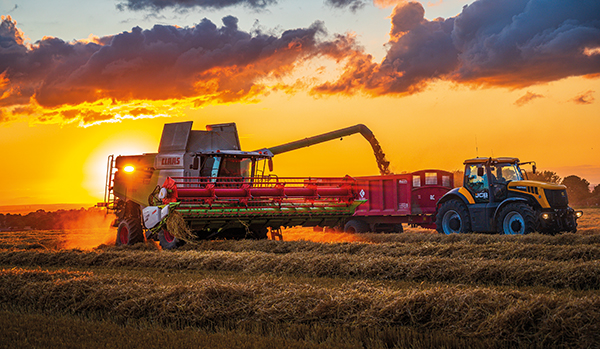
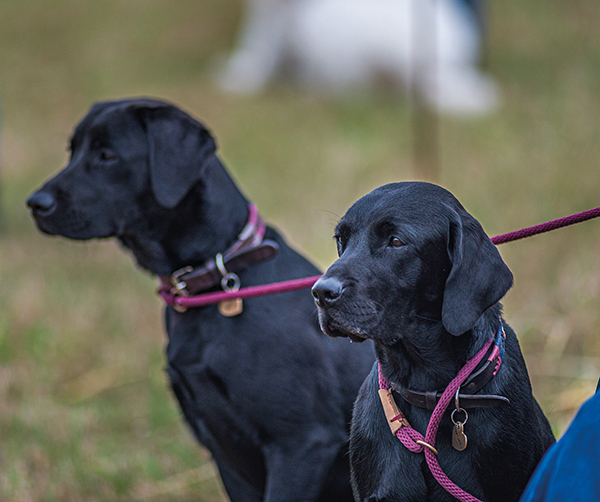
There are subtler challenges too. The countryside is a busy working environment, never a museum piece. Lanes are muddy because tractors use them. Harvest does not keep office hours. There are livestock smells, slow farm traffic, church bells, early starts and the familiar sounds of the countryside; lambs bleating in a spring field, cattle calling across pasture and dogs, who are the very fabric, bark in farmyards challenging the early morning call of the cockerel. Rural peace can sometimes be much noisier, messier, and smellier than newcomers expect.
Even the weather itself can have more bearing on daily life than many raised in cities may appreciate. In the countryside, tomorrow’s weather forecast may sometimes matter more than a bus timetable. Rain can affect work, roads, gatherings, even whether you venture out at all. Distances that feel liberating on a warm dry summer day can feel very different in mid-January’s snow.
There are hidden costs too. Fuel, heating older houses, maintaining old properties, travelling further for basic needs, these are seldom part of the rural dream sold in glossy property pages. Many rural homes remain beyond mains gas and dependent on oil or other solid fuel alternatives, costs that can rise sharply and unpredictably. Your rural dream will carry a practical price.
And yet it is often from precisely these daily challenges that one of rural life’s quieter strengths emerges. Where buses are few, neighbours offer lifts. Where reaching the shops is difficult, someone may pick up groceries along the way. Where appointments mean a long journey, help is often found. Not through formal systems, but through the practical kindness of others.
In many rural places, community has endured not as attitude, but as a necessity.
Sense of belonging
Belonging is seldom passive in these communities. In towns it is possible simply to join something, pay a subscription, turn up when convenient and remain largely a consumer to what others organise. In villages it will feel rather different; here community is often less something provided for you, it is more something sustained by those who take part in it.
That can surprise newcomers. Acceptance in rural life often comes not simply through living somewhere, but through actively contributing to it. You cannot simply sit on the outside looking in, as you are expected to lend a hand.
Take something as simple as a village cricket club. On the surface it may appear a leisurely summer pastime, but often it is far more than that; a social backbone bringing together not only the village itself but neighbouring communities too. Such institutions rarely run themselves. The wicket is cut by volunteers, teas are prepared, pavilions maintained, fundraising organised, juniors coached. What survives does so because people give time, effort and loyalty to make it work.
The same might be said of the village hall committee, the church fête, the local show, the gardening club, the harvest supper. These things may appear modest from the outside, but together they form much of the fabric of rural village life.
And unlike many town facilities, they depend not on outside provision, but on the very community they serve.
Perhaps that is one of the quieter truths of country living. Rural communities can be welcoming, but they often expect participation. And perhaps that is precisely why, though sometimes fragile, they can also prove resilient.
Yet these same challenges help explain what rural life may also give. For all its practical demands, it can foster habits and values less easily formed where daily convenience is taken for granted. It asks patience, for one thing. It can also encourage self-reliance. There remains, in many places, an instinct for making do, solving problems and adapting when circumstances require it.
Even values can take on a different emphasis. A sound pair of wellington boots may carry greater worth than the latest fashion, practicality often taking precedence over novelty. There is, perhaps, also a stronger sense of belonging to a place. In rural life the changing seasons, the working landscape and familiar rituals can still carry meaning.
What may seem quaint or old-fashioned from outside – a cricket match on the green, a village show or medieval tradition, a harvest supper – is often part of the continuity that helps bind communities together.
These are not relics preserved for nostalgia’s sake, but threads in the fabric of modern rural life.
Nor are these patterns newly invented. Much of what sustains rural communities has been shaped over generations, sometimes centuries. That may be why the countryside does not always bend easily to the expectations of those who suddenly arrive, hoping it will conform to modern urban habits and conveniences. More often it asks the newcomer to adapt to the countryside, rather than expect the countryside to adapt to them.
And that may be where the deeper challenge of rural life lies. Not simply in the distance from services, the slower infrastructure or winter roads, but in recognising that the countryside is not an escape from life’s demands – merely a different expression of them. Perhaps that is why some thrive there and others do not.
For all its beauty, rural life can ask patience, contribution and a degree of resilience unfamiliar to those raised amidst urban convenience. Yet for those willing to understand those demands, rather than resist them, its rewards may run deeper than the vision and dream first imagined.The countryside is not simply a refuge from modern life; it asks something of those who choose it. And perhaps that is the real lesson.
The countryside is not just a place to move to, but a way of life to grow into and grow with.
We Recommend






Never miss a copy!
Big savings when you take out a subscription.
Problem displaying Facebook posts. Backup cache in use.
Click to show error