

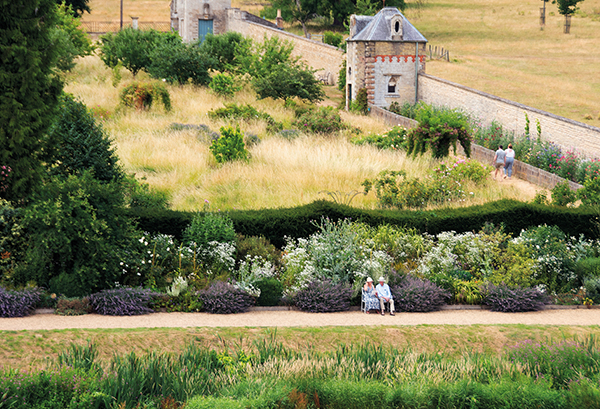
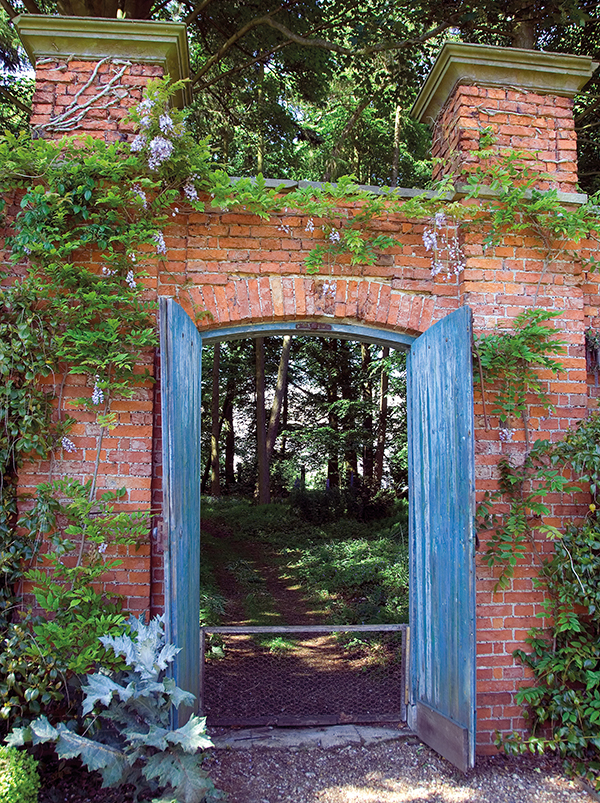
Through the garden gate
Diary Date: Lincolnshire Gardens Trust visit
Tuesday 21st July – Battleford Hall, Fleet near Spalding, Lincolnshire PE12 8NL.
‘A new garden on old bones’. A sea of wild garlic under a canopy of mature trees, comprising of ginkgo biloba, mulberry, London plane and Cedar of Lebanon plus others.
A Victorian garden with a formal arrangement of hedging, with rose parterres alongside colourful borders and a herbalist walled garden. A pavilion houses more tender plants.
Members £15, Non-members £20. To book a place email: elizabethab@btopenworld.com
Words by:
Steffie Shields
Featured in:
July 2026
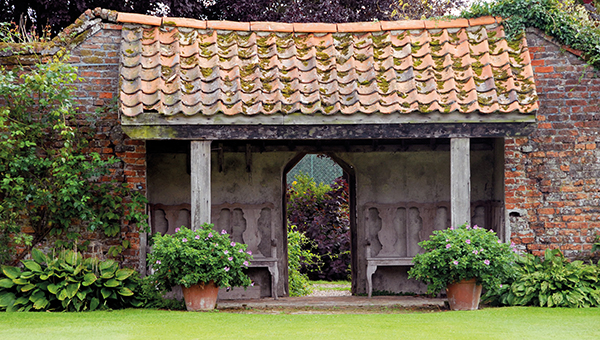
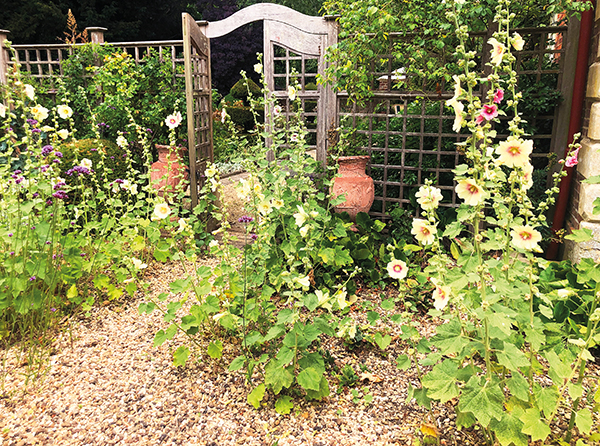
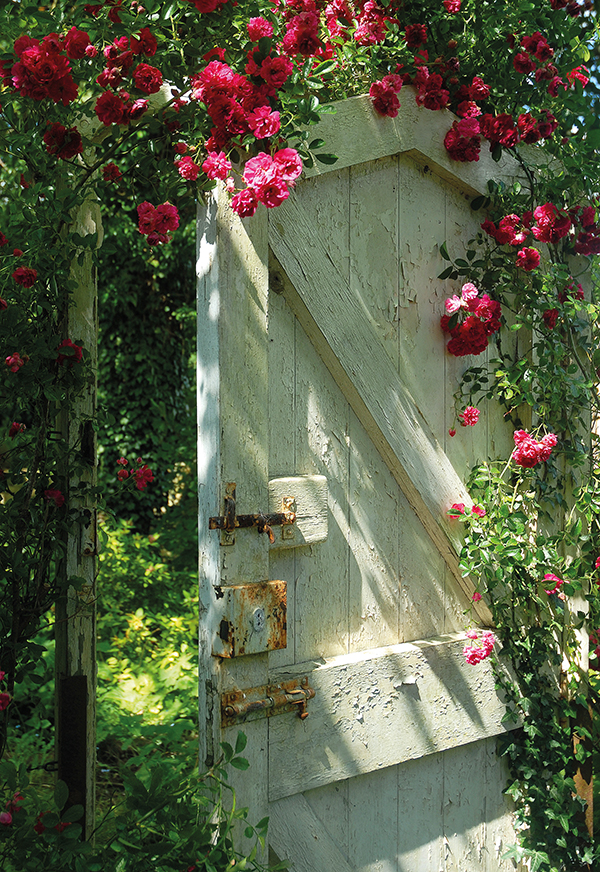
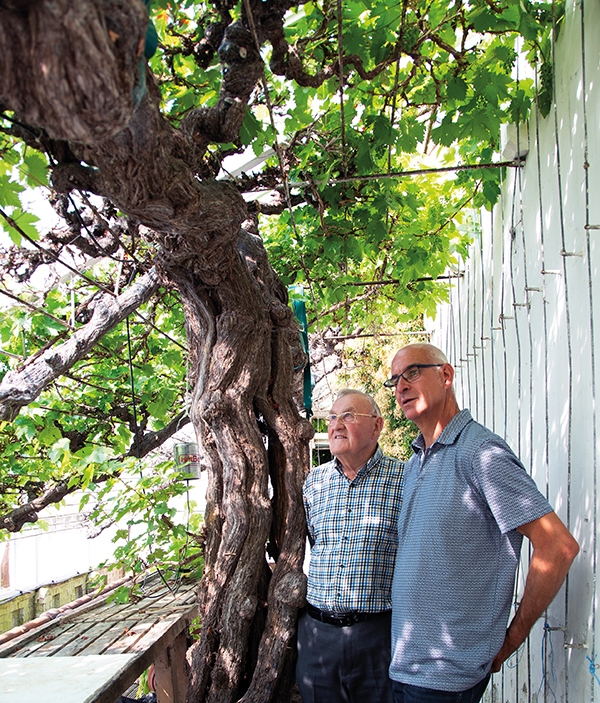
Frazer Chapman, chairman of Lincolnshire Gardens Trust, looks at how the Trust offers a season of discovery for lovers of gardens, history and the county’s quiet places.
There is a particular pleasure in being invited into a garden. Not simply arriving at a place that is open, paying at the gate and following the arrows, but stepping through an entrance with a small group of like-minded people.
Someone will have taken the trouble to welcome you, tell the story of the place, and show you details you might otherwise have missed. That is the charm at the heart of Lincolnshire Gardens Trust’s programme of visits.
Across the year, and especially through spring and summer, members are offered the chance to explore some of the county’s most characterful gardens and designed landscapes: places with veteran trees, ancient borders, and remembered histories.
Often, a degree of access feels pleasingly special. For many readers, that will be the real attraction.
The county’s gardens are not simply decorative places. They are part of Lincolnshire’s biography. They speak of estate life, market towns, seaside planting, walled kitchen gardens, orchards, village pride, wartime memory, civic improvement and the long patience of dedicated gardeners.
A border may tell one story; an avenue, another. A walled garden might reveal changing tastes in food and flowers; a parkland cluster of trees may still hold the line of an 18th-century design. Even a surviving tree can be a witness.
Conservation work
Lincolnshire Gardens Trust exists to notice these things, to celebrate them, and to help ensure that they are not quietly lost.
A registered conservation and education charity since 1995, this charity works to protect, enjoy and enhance the county’s gardens and parks.
It is part of the wider Gardens Trust movement, but its roots are firmly local: highlighting and supporting where possible Lincolnshire’s designed landscapes, public parks, private gardens, orchards, arboreta and green spaces.
Membership is inexpensive, but it opens a surprisingly rich door. Members receive tours of gardens and parks, many of which are not usually open to the public; receive the Trust’s newsletters, full of articles, research, and practical advice; and learn about specialist garden events throughout the county.
Membership also brings opportunities to take a more active role, whether through research, garden recording, or conservation awareness. It is not necessary to be an expert. In fact, one of the pleasures of such a society is the mixture of people it brings together. Some members come with deep knowledge of garden history, landscape design or plants. Others arrive simply because they enjoy gardens, photography, local history, architecture, trees, or a good afternoon in congenial company.
The visits work because they satisfy all these interests at once.
There is the gardener’s pleasure of looking closely: how a border is managed, how a meadow is encouraged, how parkland is managed, how a mature tree gives scale and shelter.
There is the historian’s curiosity: who made this place, who altered it, what survives, what has vanished?
There is the photographer’s eye for light through leaves, weathered brick, herbaceous abundance, or the geometry of old paths. And there is the simple human pleasure of tea, cake and conversation after a guided walk.
Understanding and appreciation
The Trust also encourages people to look at familiar places afresh. Lincolnshire has famous gardens, of course, but some of its most rewarding landscapes are quieter: manor gardens, vicarage gardens, restored walled gardens, municipal parks, and private places that carry local memory.
By visiting them in company and hearing from owners, gardeners, historians, and volunteers, members gain an extra layer of understanding that turns admiration into appreciation.
That matters. Gardens can be fragile. They may look permanent, especially when they contain mature trees or old walls, but they depend on care, knowledge and advocacy. Planting changes, ownership changes, and development pressures arise, and once a designed landscape has been eroded, it is rarely easy to recover.
By supporting Lincolnshire Gardens Trust, members help sustain a local voice for the county’s garden heritage.
Yet the invitation is not a heavy one.
It begins, quite naturally, with enjoyment: perhaps a spring afternoon at a hall, a stroll around a manor house garden, or a guided talk in a public park, etc.
May’s visit, for instance, was among old trees and herbaceous borders, June’s a rose garden. July’s garden will have Victorian “bones”. Occasionally there is a September talk and walk in a landscape garden. For the curious reader, that may be reason enough.
Lincolnshire has always rewarded those who take time to look. Its beauty is sometimes expansive and sometimes hidden: a long horizon, a church tower, a lane, a garden wall, a glimpse of meadow beyond a gate.
Lincolnshire Gardens Trust offers a way to follow those glimpses further, with people who care about the county and the stories its gardens hold.
For anyone who loves gardens, local history, photography, heritage or simply the pleasure of discovering places with others, membership is less a subscription than an invitation: to step through the gate, look more closely, and become part of the continuing story of Lincolnshire’s gardens. Oh – and did anyone mention cake?
For information about how to join, membership details and benefits, plus the 2026 events programme visit sites.google.com/view/lincolnshiregardenstrust
We Recommend




Never miss a copy!
Big savings when you take out a subscription.
Problem displaying Facebook posts. Backup cache in use.
Click to show error